

With the rapid development of AI and Industry 4.0 technologies today, the Food Technology industry is also transforming through smart factories, automated production lines, and AI-powered inspection systems. This has led many young people to ask: Will Food Technology be easily replaced by AI in the future? In reality, AI not only creates challenges but also opens up many new opportunities for students who can adapt, innovate, and master technology. Therefore, besides professional knowledge, students in this field need to proactively equip themselves with technological skills and innovative thinking to become highly sought-after talents in the digital era.
How Is AI Impacting the Food Technology Industry?
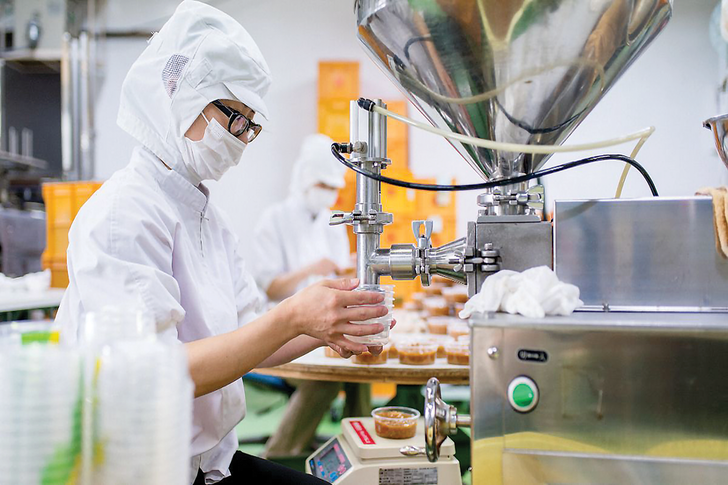
AI and automation technologies are increasingly being applied in modern food factories. Many businesses are now using robots, automated production lines, and smart sensor systems to improve productivity, reduce costs, and optimize manufacturing processes.
Instead of manual inspections as in the past, many AI systems can now support product defect detection, quality analysis, and food safety control within a short period of time. This helps businesses minimize errors and improve product quality before products reach the market.
Not only in manufacturing, AI is also applied to analyze consumer trends, manage supply chains, and predict market demand. As a result, businesses can optimize raw materials, reduce waste, and develop products that better meet customer needs.
The development of AI means that some repetitive jobs may face the risk of replacement. However, it also creates opportunities for many new positions related to research, product development, technology operation, and smart manufacturing system management within the Food Technology industry.

What Should Students Prepare to Adapt to the AI Era in Food Technology?
Proactively Update Technological and AI Knowledge
In the digital era, Food Technology students not only study food processing and quality inspection but also need to become familiar with new technologies such as AI, automation, and digital data in production. Understanding and adapting to technology will give students significant advantages when working in modern enterprises.
Develop Creativity and Innovative Thinking
AI can support operations and data processing, but creating new products, researching flavors, and developing food trends still require human creativity. Therefore, innovative thinking and creativity will be key factors helping students enhance their competitiveness in the future.
Improve Foreign Language and Soft Skills
The Food Technology industry is becoming increasingly globalized, requiring students to have foreign language proficiency to access specialized materials, new technologies, and international working environments. In addition, communication, teamwork, and problem-solving skills are also important qualities highly valued by employers today.
Enhance Practical Experience and Industry Exposure
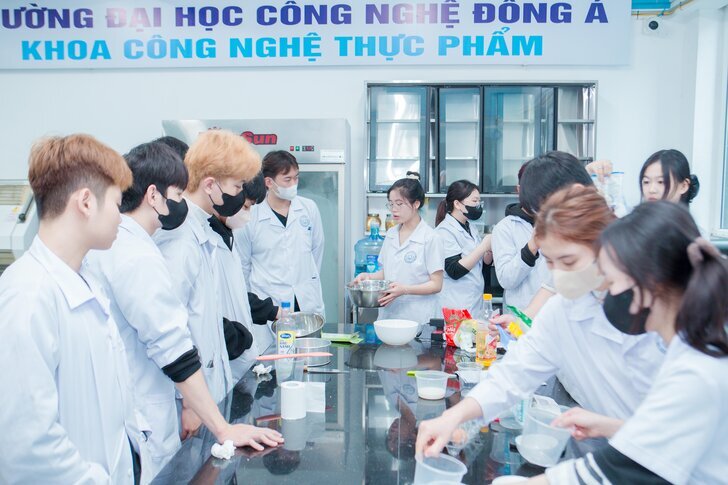
Besides classroom knowledge, students should actively participate in practical training, research activities, and real-world experiences at enterprises to better understand modern production processes. This is an effective way for learners to improve professional skills, become familiar with new technologies, and be ready to adapt to the AI-driven labor market.
Career Trends in Food Technology Over the Next 5–10 Years
As the demand for safe, nutritious, and high-quality food continues to grow, Food Technology is considered one of the industries with sustainable development potential in the coming years. In addition to meeting domestic needs, the industry also offers significant opportunities thanks to the growth of export markets and modern consumer trends.
In the future, the Food Technology industry will no longer be associated with traditional production models but will gradually shift toward high-tech applications. Modern factories, automated production lines, and smart management systems will become increasingly common, leading to a growing demand for human resources capable of working with advanced technologies and equipment.
Besides familiar positions such as quality control and production management, the Food Technology industry in the future will also expand into many new areas such as product research and development, preservation technology, functional foods, and food supply chain management. These are all fields with strong growth potential in the digital transformation era.
In the context of rapid AI development, businesses are not only looking for candidates with strong professional knowledge but also highly value creativity, technological proficiency, and flexible thinking. Students who proactively update themselves with new trends, possess foreign language skills, and gain practical experience will have more opportunities for career competitiveness and long-term professional growth.
How Should Students Choose Their Learning Environment?
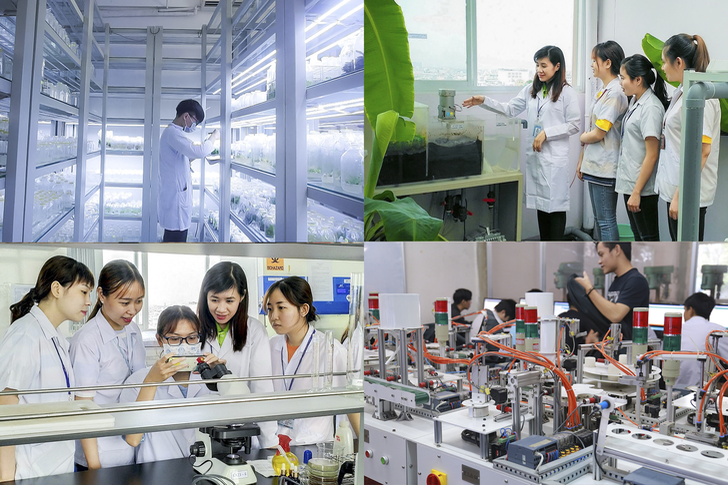
In the era of AI and Industry 4.0, Food Technology students should prioritize educational environments that focus on hands-on training and updated technologies. Access to laboratories, modern equipment, and real production models will help students improve professional skills and easily adapt to working environments after graduation.
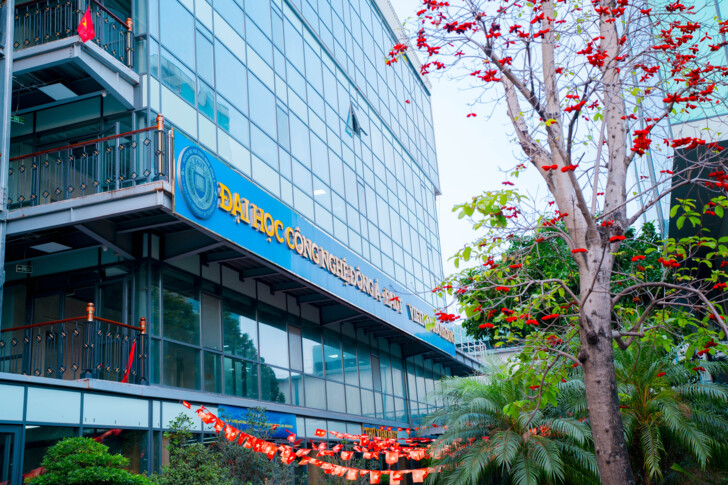
At Eastern Asia University of Technology, the Food Technology program is designed with an application-oriented approach, emphasizing practical training and strong connections with businesses. Students have opportunities to access practice laboratories, gain real-world experience, and stay updated with the latest technological trends in modern food production, inspection, and processing.
Besides professional knowledge, students should also choose a dynamic learning environment to develop foreign language skills, soft skills, and creative thinking. As AI continues to evolve, adaptability, proactive learning, and innovation will become essential foundations that help Food Technology students confidently seize career opportunities in the future.
Read more: What Is Food Technology? Career Opportunities and Attractive Salary Prospects
In the era of AI and Industry 4.0, the Food Technology industry is creating many opportunities while also presenting significant challenges for learners. To avoid being left behind, students need to proactively equip themselves with professional knowledge, technological skills, and the ability to adapt to new trends. Choosing a practical and modern learning environment will provide a strong foundation for students to confidently develop their future careers.
Eastern Asia University of Technology
Phan Tay Nhac Street, Xuan Phuong Ward, Hanoi.
Hotline: 0243.555.2008 or 024.2236.5888
Email: [tuyensinh@eaut.edu.vn](mailto:tuyensinh@eaut.edu.vn)
Fanpage: [https://www.facebook.com/dhcnDongA/](https://www.facebook.com/dhcnDongA/)