

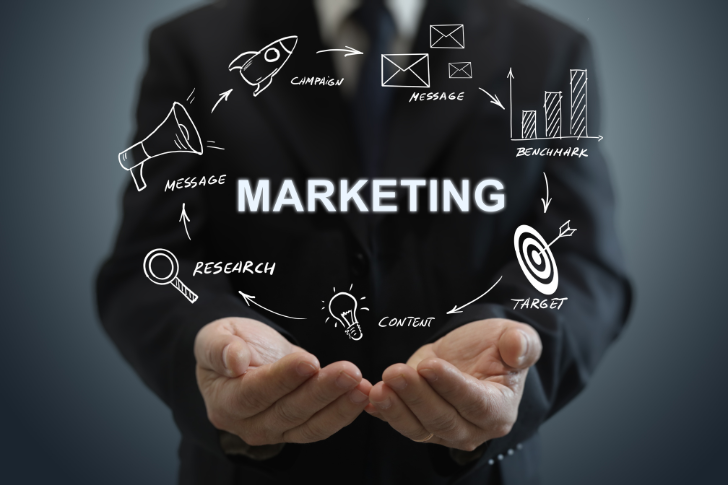
Marketing is no longer just about advertising or selling. In the context of rapid technological development, marketing has become a diverse ecosystem with many specialized areas. So, what are the different areas within marketing and which path is right for you? The article below from East Asia University of Technology will help you understand the 10 most important marketing fields today, from foundational knowledge to practical application.
What is Marketing? Understand it before choosing a “marketing field”
Before diving into specific fields, do you clearly understand what marketing is? Marketing includes all activities aimed at understanding customer needs, creating value, and delivering that value to the right audience at the right time to drive purchasing behavior.
Simply put, marketing is not just advertising or selling, but a complete process that includes:
- Researching customer needs
- Developing suitable products/services
- Communicating and reaching customers
- Retaining customers and building long-term relationships
From this foundation, marketing is divided into many different areas, each playing a distinct role.
1. Branding Marketing (Brand Building)
Branding Marketing is the “backbone” of all marketing activities. It is the process of building a company’s image, value, and identity in the minds of customers.
Simply put, it helps customers remember who you are and what makes you different from competitors. Common tasks include:
- Defining brand positioning in the market
- Designing logos, colors, and brand identity
- Developing brand messages and storytelling
For example, when people think of Apple, they often associate it with simplicity and premium quality. That is the result of Branding Marketing.
This field helps customers remember the brand and gives them a reason to choose it.

2. Content Marketing
This is one of the most important areas in any campaign. Content Marketing focuses on creating valuable content to attract and retain customers. Common types include:
- Blog posts, SEO articles
- TikTok, YouTube videos
- Social media content
- Images, infographics
The core of Content Marketing is not direct selling, but building trust through value.
Content plays a major role in attracting customers naturally without making them feel “sold to.”
3. Digital Marketing
Digital Marketing simply means doing marketing on the internet. If content is about “what to say,” digital is about delivering it to the right audience and generating conversions.
Typical tasks include:
- Running social media ads to increase visibility
- Using Google Ads to appear at the top of search results
- Implementing SEO to rank content organically
- Optimizing websites for better user experience and conversion
In simple terms, Digital Marketing is about finding customers and bringing them to you.
For example, when you search for “men’s sneakers” on Google and see top results marked as “Ads,” that is Digital Marketing. Or when you scroll TikTok and see a product video matching your interests—that is also Digital.
A key advantage of this field is measurability:
- Number of impressions
- Number of clicks
- Number of conversions
This allows marketers to optimize based on data rather than guesswork.
In short, this field helps deliver products to the right audience at the right time and convert them into customers.
4. Trade Marketing
This involves strategic activities to optimize product presence at points of sale such as supermarkets, stores, and markets to attract buyers and support distribution partners.
Think about your experience in a supermarket:
- Products placed at eye level
- Eye-catching display booths
- Promotions like buy 1 get 1 free
These are carefully planned by Trade Marketing teams.
Typical responsibilities include:
- Negotiating product placement
- Designing attractive displays
- Creating promotional campaigns
- Monitoring sales performance at retail points
The goal is not just awareness but making customers want to buy immediately at the shelf.

5. Product Marketing
Product Marketing bridges the gap between products and customers, ensuring that products are brought to market in the most relevant and sellable way.
It focuses on understanding:
- Customer needs
- How the product solves those needs
- What message resonates best
Product marketers translate product features into benefits customers understand and value.
Typical tasks include:
- Identifying target customer segments
- Analyzing competitive advantages
- Crafting compelling messaging
- Planning product launches
In short, this field ensures products are not only available but also understood and chosen by customers.
6. Market Research
Market Research helps businesses understand the market before executing any marketing activities. It is about finding answers before taking action to avoid guesswork.
This includes analyzing:
- Customer preferences and behaviors
- Customer pain points
- Competitor strengths and weaknesses
- Emerging market trends
It may involve surveys, interviews, data analysis, and user behavior tracking.
This field helps businesses reduce risks and make informed decisions.
7. PR (Public Relations)
PR focuses on maintaining a positive brand image, especially through media and public channels.
If advertising is “what you say about yourself,” PR is about what others say about you.
PR activities include:
- Writing press releases
- Building relationships with media and influencers
- Managing brand storytelling
- Handling crisis communication
PR helps brands build trust and maintain long-term credibility.

8. Event Marketing
Event Marketing involves organizing activities where customers can directly experience a brand, such as:
- Seminars and workshops
- Product launch events
- Experience campaigns
- Mall activations
These events help customers engage more deeply and remember the brand longer.
9. CRM & Customer Experience
This area focuses on customer care after purchase, aiming to retain customers and increase lifetime value. Tasks include:
- Managing customer data
- Providing after-sales support
- Creating loyalty programs
- Improving user experience
This helps build long-term relationships and customer loyalty.
10. KOL Marketing (Key Opinion Leaders)
KOL Marketing involves collaborating with individuals who have strong influence and expertise in specific fields to impact consumer decisions.
Common formats include:
- Product reviews
- Livestreams
- Social media posts
Customers tend to trust real experiences from influencers more than direct advertising.
See more:
Why study Marketing at East Asia University of Technology?
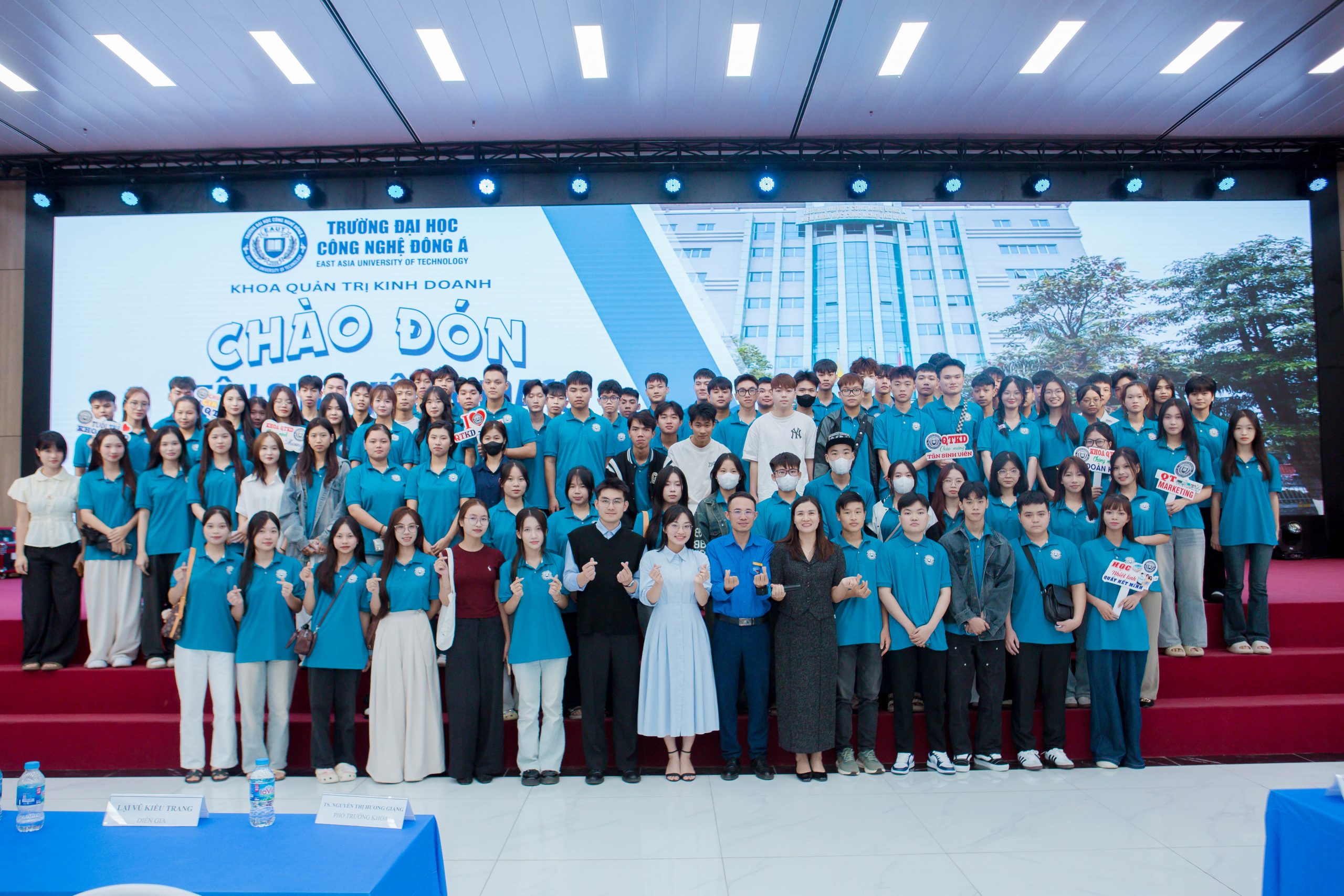
Marketing is a key major within Business Administration and one of the most dynamic and opportunity-rich fields today. However, to truly seize these opportunities, students need not only solid academic knowledge but also strong professional and soft skills—essential elements in today’s competitive environment.
At East Asia University of Technology (EAUT), a reputable institution in Marketing education, students are oriented toward practical development, gradually becoming professional marketers while still in university. EAUT stands out with its practice-oriented training approach aligned with business needs:
– A balanced curriculum between theory and practice, with strong industry partnerships to enhance training quality.
– Enhanced English proficiency, enabling students to access international materials and keep up with global marketing trends.
– Practical training integrated throughout the program, offering early exposure through internships and real business environments.
– Development of essential soft skills such as communication, presentation, and teamwork.
– Opportunities to join seminars, meet entrepreneurs, and engage with industry experts to broaden perspectives and career orientation.
– A faculty team of 100% master’s and doctoral degree holders from reputable universities, ensuring academic quality and up-to-date knowledge.
With a clear training direction and a practice-oriented learning environment, EAUT equips students not only with knowledge but also with the confidence to enter the job market proactively.
Marketing is a broad field with many specialized areas, each playing a role in bringing products closer to customers. Understanding these areas helps you choose the right career path and gain a comprehensive view when working in a business environment. Regardless of the path you choose, the most important thing is to understand customers and deliver real value—this is the foundation of success in any marketing role.
East Asia University of Technology
Phan Tay Nhac Street, Xuan Phuong Ward, Hanoi.
Hotline: 0243.555.2008 or 024.2236.5888
Email: [tuyensinh@eaut.edu.vn](mailto:tuyensinh@eaut.edu.vn)
Fanpage: [https://www.facebook.com/dhcnDongA/](https://www.facebook.com/dhcnDongA/)