


When it comes to Thermal Engineering Technology (Heat Engineering – Refrigeration and Air Conditioning), many students still simply think that graduates will only repair air conditioners or work on construction sites. However, in reality, this field has a much broader range of applications, appearing in most areas from daily life to modern production. From buildings, hotels, and factories to hospitals and data centers, all require thermal and cooling systems. This opens up diverse and promising career opportunities for students. So where can you work after studying this major? Let EAUT explore in more detail through the article: “Where Can You Work After Studying Thermal Engineering Technology (Heat Engineering – Refrigeration and Air Conditioning)? Top 7 Most Attractive Working Environments in the Field” below.
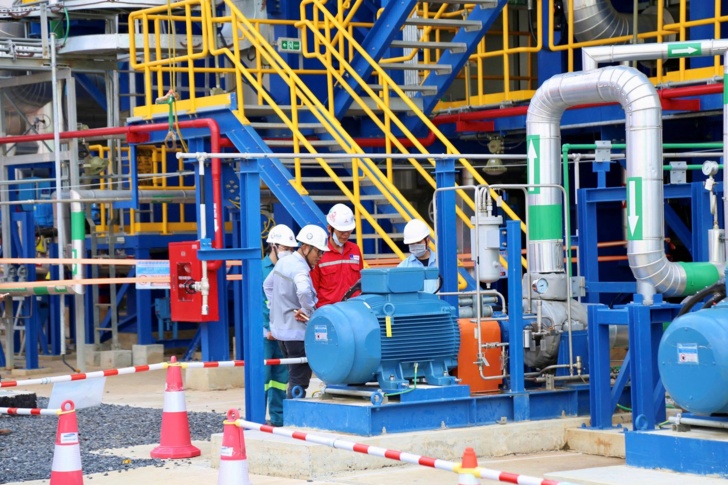
Overview of Thermal Engineering Technology (Heat Engineering – Refrigeration and Air Conditioning)
What is Thermal Engineering Technology (Heat Engineering – Refrigeration and Air Conditioning)?
Thermal Engineering Technology (Heat Engineering – Refrigeration and Air Conditioning) is an engineering field that studies and applies thermal principles to generate, control, and maintain temperature in living and production environments. Simply put, this field helps people cool spaces, preserve food, and ensure air quality in buildings, factories, and hospitals. Students will be equipped with knowledge of heat transfer, thermodynamics, refrigeration engineering, air conditioning, and ventilation systems. These are essential foundations for designing and operating thermal and cooling systems in practice.
Not only theoretical, this field is highly practical as it is closely associated with tasks such as system design, installation, operation, and maintenance. After graduation, students can work in various sectors such as smart buildings, hotels, manufacturing plants, cold storage facilities, hospitals, or data centers. Contrary to common belief, the field is not limited to air conditioner repair but also opens up many career paths such as design engineering, system operation, or working in energy and advanced technology sectors. This is a field with high demand for human resources and stable career prospects in the future.
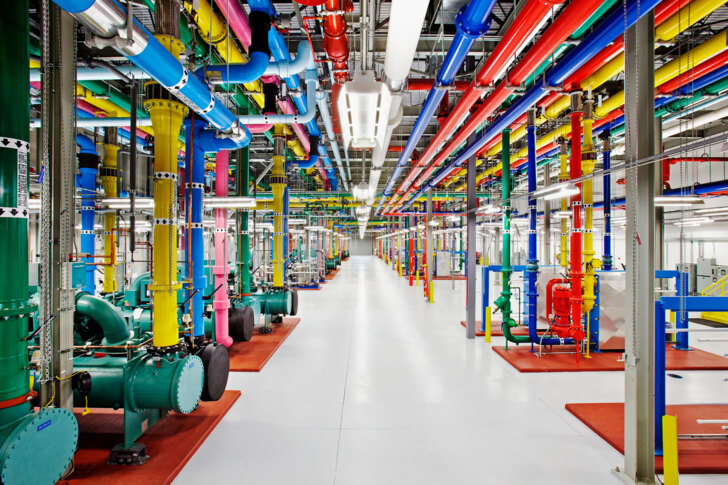
Why are job opportunities in this field so extensive?
Thermal Engineering Technology (Heat Engineering – Refrigeration and Air Conditioning) is an engineering field that studies and applies thermal principles to generate, control, and maintain temperature in living and production environments. Simply put, this field helps people cool spaces, preserve food, and ensure air quality in buildings, factories, and hospitals. Students will be equipped with knowledge of heat transfer, thermodynamics, refrigeration engineering, air conditioning, and ventilation systems. These are essential foundations for designing and operating thermal and cooling systems in practice.
Not only theoretical, this field is highly practical as it is closely associated with tasks such as system design, installation, operation, and maintenance. After graduation, students can work in various sectors such as smart buildings, hotels, manufacturing plants, cold storage facilities, hospitals, or data centers. Contrary to common belief, the field is not limited to air conditioner repair but also opens up many career paths such as design engineering, system operation, or working in energy and advanced technology sectors. This is a field with high demand for human resources and stable career prospects in the future.
Top 7 Most Attractive Working Environments in the Field
Smart Buildings – Shopping Malls – High-End Apartments
One of the most common working environments for students in this field is modern buildings such as shopping malls, high-end apartments, or office buildings. In these spaces, central air conditioning, ventilation, and air treatment systems play a crucial role in ensuring a comfortable living and working environment.
Working here, thermal engineers can participate in designing, operating, or maintaining HVAC systems. The job is not only about “keeping spaces cool” but also involves energy optimization, ensuring system stability, and cost efficiency. This is a relatively stable working environment with minimal travel and suitable for those who prefer professionalism and modern settings.
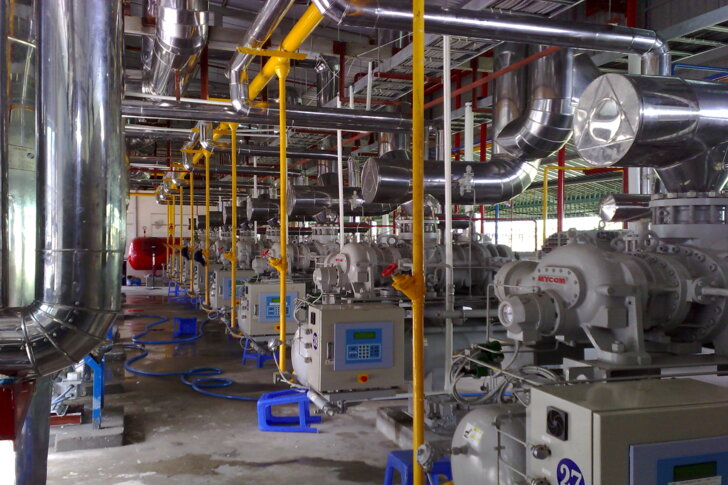
Hotels – Resorts – Fine Dining Restaurants
The service industry, especially hotels and resorts, has very high requirements for air quality and temperature. The more premium the space, the more precise and stable the thermal systems must be. This creates significant opportunities for students in this field.
Here, engineers may take on roles such as system operation, technical supervision, or managing the entire HVAC system. In addition to ensuring guest comfort, the job also involves controlling food storage temperatures and maintaining air hygiene standards. This environment offers a professional experience, exposure to international standards, and long-term career development opportunities.
Factories – Industrial Zones – Manufacturing
When it comes to sectors that heavily utilize thermal and refrigeration technology, factories and industrial zones are indispensable. Here, thermal systems directly support production processes, from cooling machinery to controlling product temperatures.
After graduation, students can work in food, pharmaceutical, electronics, or mechanical factories, taking on roles such as system operation, equipment maintenance, or production optimization. This environment has high recruitment demand, stable income, and clear career advancement opportunities for those with strong skills and experience.
Hospitals – Clean Rooms – Healthcare
One of the less-discussed yet highly promising environments is the healthcare sector. In hospitals, especially operating rooms, clean rooms, or pharmaceutical storage areas, requirements for temperature and air quality are extremely strict.
Thermal engineers in this field are responsible for designing, operating, and controlling specialized HVAC systems. The job requires high precision and in-depth knowledge of technical standards, but in return offers a stable, less competitive, and highly specialized working environment.
Food Industry – Cold Chain
In daily life, from frozen foods to beverages, everything needs to be stored under appropriate temperature conditions. This creates a system known as the cold chain, where thermal and refrigeration technology plays a core role. Students can work in cold storage facilities, logistics centers, or food enterprises, taking responsibility for designing, operating, and managing preservation systems. This sector is rapidly growing alongside trade and export expansion, offering many future job opportunities.

Data Centers – High Technology
In the digital era, data centers play a crucial role in storing and processing information. However, continuously operating servers generate large amounts of heat, requiring efficient cooling systems.
Thermal engineers in this field are involved in designing and operating cooling systems for servers, ensuring stable equipment performance. This is a modern career path closely tied to high technology, offering attractive income and relatively low competition, creating advantages for those who pursue it.
Green Energy – Future Technology
As the world moves toward sustainable development, the Thermal Engineering field is playing an increasingly important role in energy saving and environmental protection. Beyond cooling, it also involves energy optimization solutions and the application of green technologies.
Students can develop careers as energy engineers, system optimization specialists, or researchers in new technologies. This is a field with strong growth potential over the next 10–20 years, offering many attractive career opportunities.

Thermal Engineering Technology (Heat Engineering – Refrigeration and Air Conditioning) is not only highly practical but also offers a wide range of job opportunities across various sectors. From buildings, hotels, and factories to high technology and green energy, thermal engineers are in demand everywhere. The key is not whether the field has limitations, but which direction you choose to pursue. With strong workforce demand and sustainable development trends, this is a field worth considering for those passionate about engineering and technology.Eastern Asia University of Technology
Phan Tay Nhac Street, Xuan Phuong Ward, Hanoi.
Hotline: 0243.555.2008 or 024.2236.5888
Email: tuyensinh@eaut.edu.vn
Fanpage: https://www.facebook.com/dhcnDongA/