


The Mechanical Manufacturing Engineering program opens up a wide range of career opportunities in mechanical engineering, industrial manufacturing, machine design, and equipment system operation. However, to stand out among numerous candidates, job seekers need a professional CV for Mechanical Manufacturing Engineering positions that clearly highlights their technical knowledge, practical skills, and ability to meet job requirements. So, how can you create a CV that captures recruiters’ attention at first glance? Let’s explore the key tips below.
Build a Mechanical Manufacturing Engineering CV with a Clear and Professional Layout
A CV is the first document recruiters use to gain an overall understanding of a candidate’s capabilities and suitability for a position. Therefore, a Mechanical Manufacturing Engineering CV should be clearly structured, easy to read, and focused on information relevant to the job.
First, candidates should choose a simple layout, use readable fonts, maintain consistent font sizes, and divide the content into clearly defined sections. Essential information, such as full name, phone number, email address, educational background, work experience, and technical skills, should be arranged logically. For recent graduates, the CV should ideally fit on one page. Candidates with extensive experience may use two pages when necessary.
In addition, the CV title should reflect the position being applied for rather than simply stating “Job Application CV.” For example, candidates can use titles such as “Mechanical Manufacturing Engineer CV,” “Mechanical Design Engineer CV,” or “Production Technician CV.” This approach helps recruiters quickly identify the candidate’s career objectives.
Another important point is to carefully check spelling, contact details, and file formatting before submitting the application. Candidates should prioritize exporting their CVs as PDF files to prevent layout inconsistencies when opened on different devices.
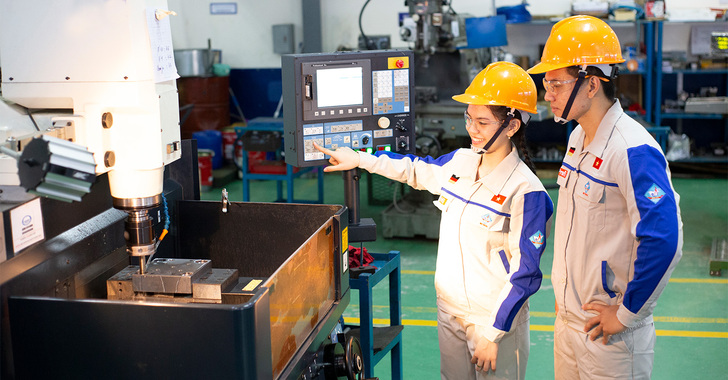
Highlight Technical Skills in a Mechanical Manufacturing Engineering CV
In mechanical manufacturing, specialized knowledge and practical skills are important factors that give candidates an advantage when applying for jobs. Rather than simply listing general qualities such as diligence, enthusiasm, or a strong sense of responsibility, candidates should specify the skills directly relevant to the position.
Some technical skills that can be included in a Mechanical Manufacturing Engineering CV are:
– Reading and interpreting mechanical engineering drawings.
– Using design software such as AutoCAD, SolidWorks, or Autodesk Inventor.
– Understanding tolerances, machining accuracy, and mechanical materials.
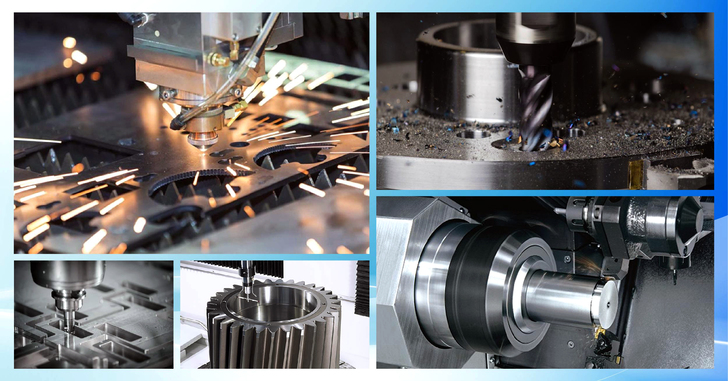
– Knowledge of turning, milling, drilling, grinding, and other machining processes used to manufacture machine components.
– Operating or programming CNC machines, if properly trained and experienced in practical applications.
– Inspecting product quality, using measuring instruments, and complying with occupational safety procedures.
Depending on the position, candidates should prioritize the most relevant skills. For example, applicants for mechanical design positions should emphasize their ability to interpret engineering drawings, create 3D models, and prepare manufacturing drawings. Meanwhile, candidates pursuing production engineering roles should highlight their knowledge of machining processes, machinery operation, and quality control.
In addition to technical expertise, teamwork, problem-solving, logical thinking, and attention to detail are also essential in industrial manufacturing environments. However, these skills are more convincing when supported by specific examples from academic projects, internships, or work experience.
Internship Experience and Practical Projects Strengthen a Mechanical Manufacturing Engineering CV
Not every candidate has several years of work experience when starting a job search, particularly recent graduates. However, this does not mean their CVs cannot be compelling. Recruiters can still assess candidates’ abilities through academic projects, graduation projects, company internships, or products they have directly contributed to developing.
When describing experience, candidates should clearly state the project name or internship organization, the duration, their responsibilities, and the results achieved. Instead of writing a general statement such as “completed an internship at a mechanical workshop,” provide more specific details about the tasks performed, such as assisting with the interpretation of engineering drawings, learning machining processes, practicing with measuring instruments, or participating in product quality inspections under the supervision of technicians.
For graduation projects, topics related to machine design, drive mechanism improvements, mechanical component simulation, or machining process research can serve as valuable highlights. If candidates have practical products, technical drawings, or 3D models they created themselves, they can include a link to their portfolio for recruiters to review.
In particular, candidates should describe their results using specific, verifiable information whenever available. For example, they can mention the number of drawings prepared, the types of machines they have practiced operating, or the tasks they have completed. Candidates should not fabricate figures, exaggerate achievements, or claim the work of an entire team as their own.
For students without work experience, honestly presenting what they have learned and practiced will make their CVs more credible while demonstrating initiative and the ability to adapt to real-world working environments.
Write Clear Career Objectives That Match the Position
The career objectives section helps recruiters understand a candidate’s development plans and reasons for choosing a particular job. In a Mechanical Manufacturing Engineering CV, this section should be concise, realistic, and relevant to the candidate’s field of expertise rather than relying on generic statements such as wanting to work in a professional environment or seeking opportunities for career advancement.
For recent graduates, career objectives can focus on applying mechanical engineering knowledge, improving technical drawing interpretation skills, designing machine components, or learning about company production processes. For experienced professionals, objectives should demonstrate plans to develop further expertise in design, machining technology, technical management, or production process improvement.
For example, a candidate applying for a mechanical manufacturing engineer position could write: “Seeking to apply knowledge of mechanical design, technical drawing interpretation, and machining processes to contribute to product development and refinement at the company. In the coming years, aiming to enhance design capabilities, optimize manufacturing processes, and further develop professional expertise in mechanical manufacturing.”
Effective career objectives should align with the candidate’s current abilities and the company’s direction. Before submitting a CV, candidates should carefully review the job description to identify the most relevant skills, experience, and objectives. Tailoring a CV to each position helps demonstrate suitability rather than using the same CV for every employer.
Common Mistakes to Avoid When Writing a Mechanical Manufacturing Engineering CV
In addition to highlighting their technical expertise, candidates should avoid common mistakes that can weaken their applications. First, they should not include excessive irrelevant information, write unnecessarily long descriptions, or use designs with too many colors, images, and icons. An effective CV should help recruiters quickly find the most important information.
Second, candidates should not list software, equipment, or techniques they have not actually used. During interviews, recruiters may ask detailed questions about engineering drawings, design software, machining processes, or machinery operation experience. Therefore, candidates should only include skills they can explain and substantiate through their knowledge or practical experience.
Third, candidates should carefully review the job requirements before submitting their applications. If a company is recruiting a mechanical design engineer, the CV should prioritize design software proficiency and the ability to prepare engineering drawings. For production engineering positions, information about machining, equipment operation, and quality control will be more relevant.
Finally, candidates should use a professional file name, such as “CV_NguyenVanA_MechanicalManufacturingEngineer.pdf,” use a professional email address, and keep their application email concise. These small details help demonstrate attention to detail and a serious attitude toward the job opportunity.
An impressive Mechanical Manufacturing Engineering CV does not need to be elaborate. Instead, it should clearly present the candidate’s technical knowledge, practical skills, hands-on experience, and career objectives. A well-organized layout, accurate information, and content tailored to the position can help create a positive impression on recruiters.
See also: [2026] Is Mechanical Manufacturing Engineering Difficult to Study? What Freshmen Need to Know
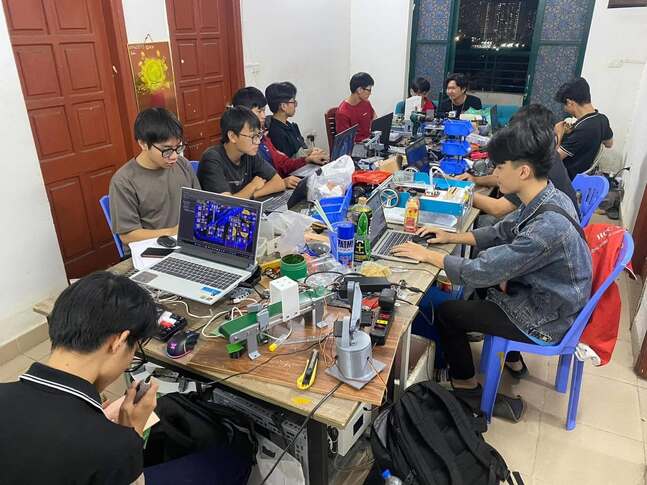
For students currently pursuing Mechanical Manufacturing Engineering, building a strong foundation of knowledge, actively participating in practical training and internships, and completing specialized projects while still at university are important steps in preparing for the job search after graduation. These experiences also provide a foundation for developing a career in mechanical manufacturing and industrial production, fields that continue to evolve.
East Asia University of Technology
Phan Tay Nhac Street, Xuan Phuong Ward, Hanoi.
Hotline: 0243.555.2008 or 024.2236.5888
Email: tuyensinh@eaut.edu.vn
Fanpage: https://www.facebook.com/dhcnDongA/