

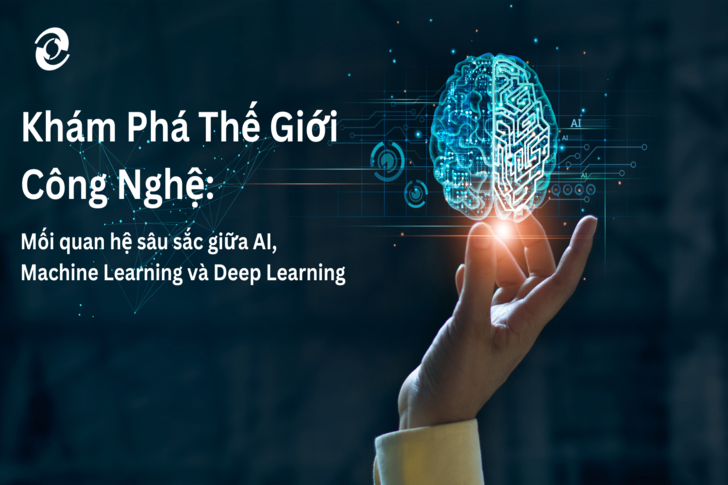
The rapid growth of AI is creating abundant career opportunities with attractive salaries. However, today’s employers evaluate candidates not only by their academic qualifications but also by their practical skills. So, what should students majoring in Applied Artificial Intelligence prepare to stand out in the job market? Let’s explore the seven essential skills below.
Master Programming Languages – The Foundation for Developing AI Systems
Programming is the “key” that transforms artificial intelligence ideas into real-world applications. For students majoring in Applied Artificial Intelligence, mastering programming languages not only enables them to build AI models but also provides the foundation for software development, data processing, and system performance optimization.
Among programming languages, Python is the most widely used thanks to its simple syntax and powerful ecosystem of libraries such as TensorFlow, PyTorch, Scikit-learn, Pandas, and NumPy. In addition, acquiring knowledge of SQL, C++, or Java will help students expand their ability to develop large-scale AI systems and meet the diverse requirements of employers.
Instead of focusing solely on theory, students should actively participate in practical projects such as developing chatbots, image recognition applications, or intelligent recommendation systems. A portfolio showcasing real projects will provide a significant advantage when applying for AI-related positions.

Master Machine Learning and Deep Learning – The Core Foundation of Artificial Intelligence
To develop intelligent AI applications such as chatbots, facial recognition systems, or autonomous vehicles, Machine Learning and Deep Learning are indispensable technologies. Therefore, students majoring in Applied Artificial Intelligence need to understand how AI models are built, trained, and optimized to solve real-world problems.
Throughout the program, students will learn common machine learning algorithms, predictive modeling techniques, model training methods, evaluation strategies, and ways to improve AI model accuracy. More importantly, understanding the underlying principles instead of simply using existing tools will help students develop technological thinking, adapt to emerging AI trends, and meet future industry demands.
Data Processing and Analytics Skills – The “Fuel” That Powers AI
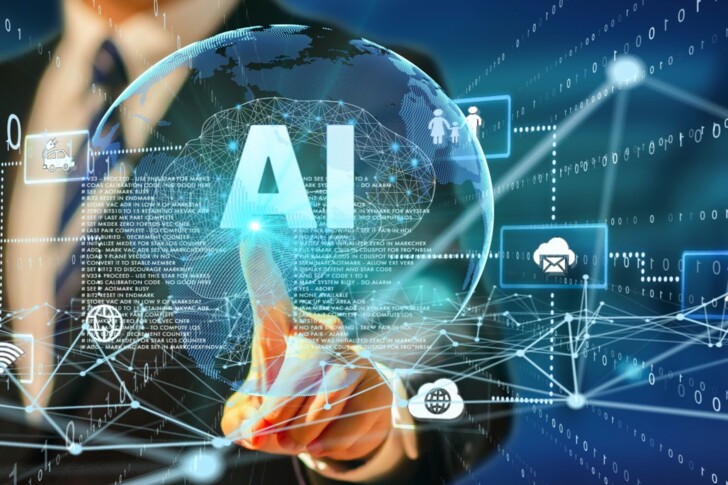
In the field of AI, data serves as the “fuel” that powers every artificial intelligence model. An AI system can only deliver accurate results when it is built on complete, clean, and high-quality data. Therefore, students should develop the ability to collect, clean, analyze, and visualize data to transform raw information into valuable insights. This essential skill enables AI engineers to develop intelligent solutions and is one of the top qualifications sought by employers in AI and data science.
English for Technology – The Key to Global Career Opportunities
In the field of Artificial Intelligence (AI), English is no longer just an additional skill—it has become an essential requirement. Most technical documentation, research papers, online courses, and the latest AI technologies are published in English. Therefore, proficiency in English enables students to access cutting-edge knowledge more quickly and stay updated with emerging technology trends without waiting for translations.
In addition, English opens opportunities to learn from leading global experts through online courses, international conferences, and worldwide technology communities. For employers, strong English proficiency is also a valuable advantage, enabling candidates to work for multinational technology companies, participate in international projects, and build successful careers in global environments.
Advice for students: Start improving your English from your first year at university, especially your ability to read technical materials and communicate in technology-related environments. This will become your “passport” to exciting career opportunities and competitive salaries in the AI industry.
Problem-Solving and Logical Thinking Skills – The Hallmarks of an Excellent AI Engineer
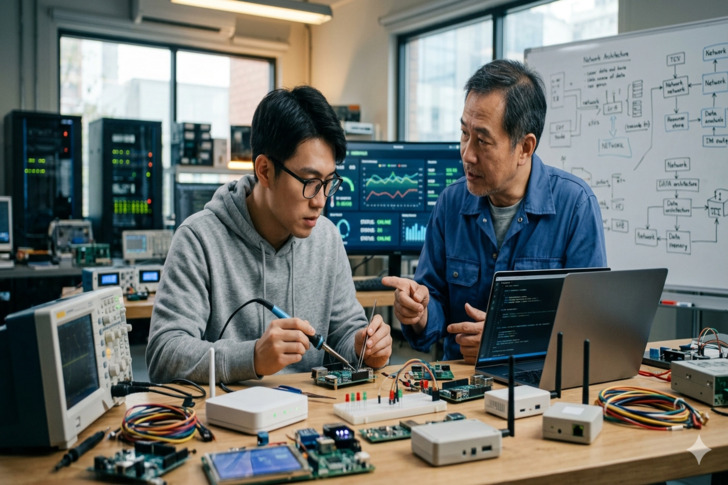
Artificial Intelligence is not simply about writing code—it is about using technology to analyze and solve real-world problems. To develop an effective AI system, AI engineers must be able to analyze requirements, identify problems, select appropriate algorithms, conduct testing, and continuously optimize models for maximum performance.
Logical thinking and problem-solving skills enable students to create innovative solutions that meet business needs across industries such as healthcare, finance, education, manufacturing, e-commerce, and intelligent transportation. These competencies are also among the most highly valued by employers recruiting Applied Artificial Intelligence professionals.

Teamwork and Project Management Skills
In practice, AI projects are rarely completed by a single individual. They typically involve collaboration among AI engineers, software developers, data engineers, quality assurance specialists, and clients. Therefore, in addition to technical expertise, students should develop communication, teamwork, time management, and progress reporting skills. Familiarity with version control tools such as Git and project management platforms will also help students quickly adapt to corporate environments and improve collaboration in real-world AI projects.
Actively participating in group projects, technology competitions, or research initiatives during university is an excellent way to strengthen teamwork, problem-solving abilities, and practical experience before entering the workforce.
Lifelong Learning – The Key to Staying Ahead in the AI Era
Artificial Intelligence is one of the fastest-evolving fields today. Emerging technologies such as Generative AI, AI Agents, Large Language Models (LLMs), and Computer Vision are continuously advancing, requiring learners to constantly update their knowledge and skills. Therefore, students majoring in Applied Artificial Intelligence should develop the habit of self-learning, regularly follow technology trends, participate in competitions and professional conferences, and gain practical experience through real-world projects.
At the same time, building a personal portfolio showcasing completed projects is an effective way to demonstrate competence to potential employers. In the AI industry, a commitment to continuous learning and adaptability are the qualities that enable students to stay current with technological developments and meet the ever-growing demands of the labor market.
Where Should You Study Applied Artificial Intelligence to Develop Comprehensive Skills?
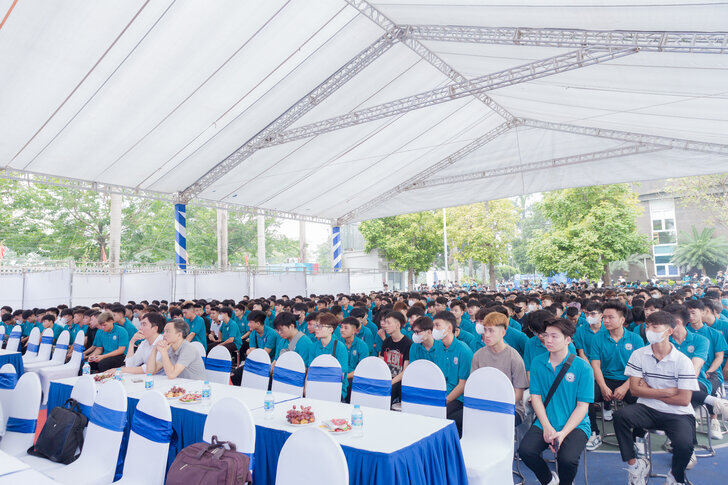
In addition to each student’s initiative in learning, the educational environment plays a vital role in developing both professional knowledge and career skills. At Dong A University of Technology (EAUT), the Applied Artificial Intelligence program is designed following the “Active Learning – Practical Application” approach, closely integrating theory with hands-on practice. Students have access to modern laboratories, participate in real AI projects, and gain internship opportunities with enterprises while still at university.
Alongside building a strong foundation in AI, Machine Learning, Deep Learning, Data Processing, Computer Vision, and Generative AI, the curriculum also focuses on developing the competencies most valued by employers, including problem-solving, teamwork, project management, communication, and lifelong learning. These capabilities equip graduates to confidently adapt to technological change, enhance their competitiveness, and expand their career opportunities after graduation.
With its enterprise-oriented curriculum and hands-on training approach, the Applied Artificial Intelligence program at EAUT is an excellent choice for young people who aspire to master AI technologies and thrive in the digital era.

See more: Applied Artificial Intelligence at EAUT
In the AI era, career opportunities for Applied Artificial Intelligence graduates continue to expand rapidly. However, to gain a competitive advantage and achieve attractive income levels, students need to proactively develop both technical expertise and practical skills. Mastering these seven essential skills will enable you to confidently meet employers’ expectations and build a sustainable career in the field of Applied Artificial Intelligence.
Dong A University of Technology
Phan Tay Nhac Street, Xuan Phuong Ward, Hanoi.
Hotline: 0243.555.2008 or 024.2236.5888
Email: [tuyensinh@eaut.edu.vn](mailto:tuyensinh@eaut.edu.vn)
Fanpage: [https://www.facebook.com/dhcnDongA/](https://www.facebook.com/dhcnDongA/)