

Take a look around you. From the motorcycle you ride every day, the food packaging machines in supermarkets, welding robots in automobile factories, to smartphone production lines, all are the result of continuous design, manufacturing, and innovation by mechanical engineers. This is the world of Manufacturing Engineering Technology—a field that not only creates machines but also plays a vital role in determining productivity, product quality, and the competitiveness of modern industries.
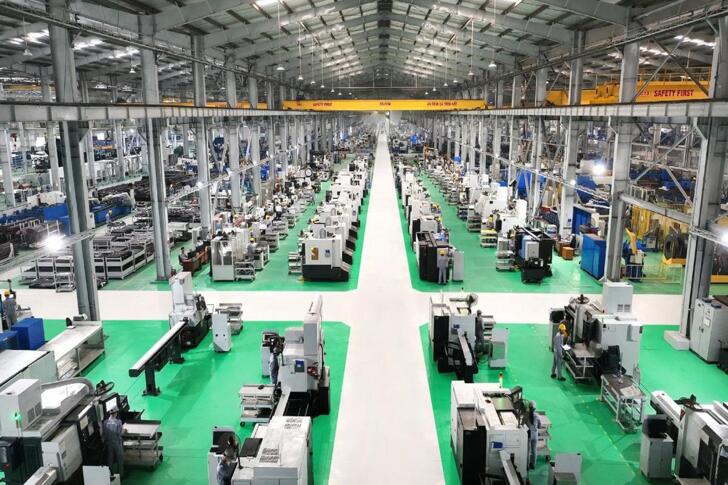
When people think of Manufacturing Engineering Technology, many still imagine traditional machine shops filled with lathes, milling machines, and physically demanding work. In reality, this field has evolved dramatically over the past few years.
Today, engineers spend much of their time using computers to design products with 3D software, simulate manufacturing processes, program CNC machines, and optimize automated production lines. Many labor-intensive tasks have gradually been replaced by industrial robots and intelligent control systems.
In other words, modern Manufacturing Engineering Technology is the integration of mechanical engineering, digital technologies, automation, and production management.
More Than Manufacturing: Students Gain Hands-on Experience with the Technologies Driving Modern Production
One of the reasons Manufacturing Engineering Technology has become increasingly attractive is its modernized curriculum. Instead of focusing solely on traditional machining techniques, students are introduced to advanced technologies that are widely applied in today’s smart factories.
Product Design with Professional Software
Traditional paper-based technical drawings have largely been replaced by advanced 2D and 3D design software. Students learn to use professional design, simulation, and product analysis tools from the early stages of their academic journey.
Mastering Precision Manufacturing Technologies
CNC machining, metal cutting technologies, quality inspection, and mold manufacturing processes are key components of the curriculum, helping students understand how high-quality engineering products are manufactured to meet technical standards.
Exploring Smart Manufacturing
As smart factories become the future of industrial production, students also study industrial robotics, automation systems, integrated manufacturing technologies, and digital transformation in mechanical engineering.
Why Do Employers Continuously Seek Manufacturing Engineering Professionals?
A factory may invest millions of dollars in advanced production equipment, but without skilled engineers capable of designing, operating, and improving manufacturing systems, production efficiency cannot reach its full potential.
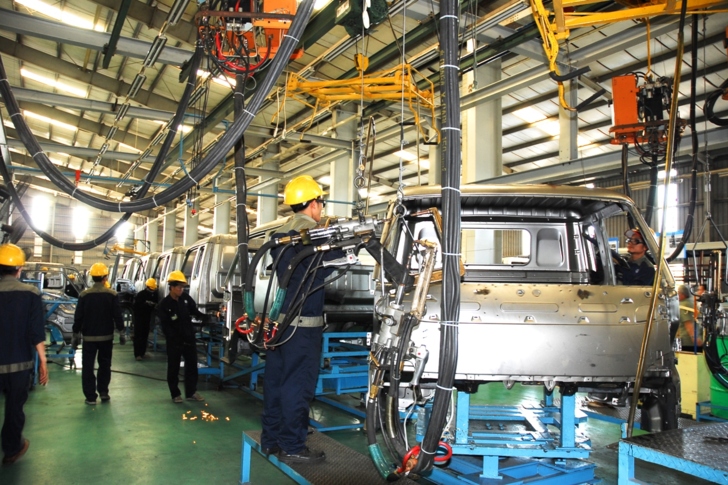
That is why Manufacturing Engineering Technology graduates play a central role in modern manufacturing enterprises. Their responsibilities extend beyond producing machinery—they continuously seek innovative ways to reduce production costs, increase productivity, and improve product quality. Even a small improvement in a manufacturing process can save a company significant operating costs each year.
Study Manufacturing Engineering Technology at EAUT – Learn Beyond Theory, Build Real-World Expertise
Choosing the right major is important, but selecting the right learning environment is equally essential in shaping your future career.
At Dong A University of Technology (EAUT), the Manufacturing Engineering Technology program is designed with an application-oriented approach, enabling students to develop the mindset of professional engineers from their very first semesters.
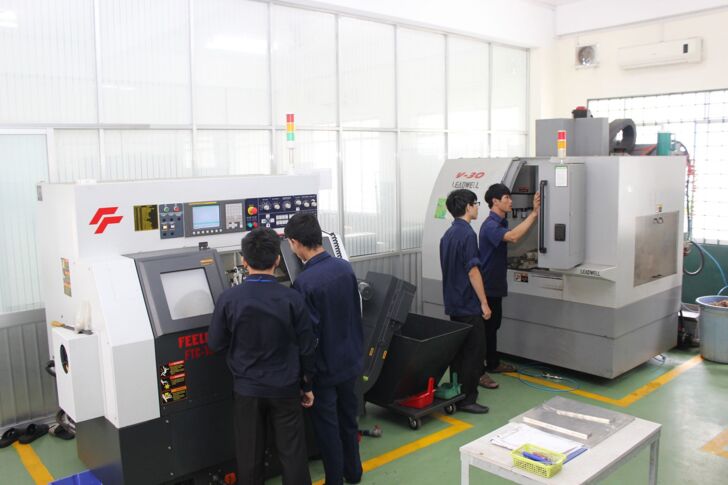
Alongside foundational engineering courses, students receive extensive practical training in modern laboratories, workshops, and specialized facilities, allowing them to become familiar with real industrial working environments.
A key advantage of the program is its close collaboration with industry partners. Through factory visits, internships, and hands-on experiences at manufacturing enterprises, students gain direct exposure to advanced production systems, understand employers’ expectations, and build valuable professional experience before graduation.
In addition to technical expertise, EAUT emphasizes the development of soft skills, English proficiency, and professional work ethics, ensuring graduates are well prepared for both domestic and international workplaces.

Upon graduation, students can pursue a wide range of career paths depending on their interests and professional goals.
Those with a passion for innovation can become Mechanical Design Engineers, developing machinery and industrial equipment for manufacturing companies.
Students who enjoy working in manufacturing environments may pursue careers as Manufacturing Engineers or Production Engineers, where they manage production lines, optimize manufacturing processes, and improve operational efficiency.
For graduates interested in research and innovation, Research and Development (R&D) departments provide opportunities to develop new products and apply emerging technologies to industrial applications.
Graduates may also work in quality assurance and inspection, technical consulting, industrial equipment sales, or continue their education through postgraduate studies to pursue careers in research and academia.
Learn more: What Makes the Manufacturing Engineering Technology Program at EAUT Unique?
Manufacturing Engineering Technology provides students with much more than mechanical engineering knowledge. It develops creativity, technological expertise, and the ability to adapt to the rapidly evolving world of modern manufacturing. With strong demand for skilled professionals and outstanding career prospects, this major is an excellent choice for students passionate about engineering and committed to creating meaningful value for the industries of the future.
Dong A University of Technology
Phan Tay Nhac Street, Xuan Phuong Ward, Hanoi, Vietnam.
Hotline: 0243.555.2008 or 024.2236.5888
Email: tuyensinh@eaut.edu.vn
Fanpage: https://www.facebook.com/dhcnDongA/