


Architecture has its own unique appeal: both “chill” in terms of creativity and “intense” in terms of technical requirements. Many students find it exciting at first glance, but still wonder: “Is studying Architecture difficult? Do I need to be good at drawing? What career options are available after graduation, and is it easy to find a job?”
In reality, this major is far more interesting than it seems. And if you are wondering what Architecture students study, what career paths they can pursue, and whether it is easy to find a job, this article from East Asia University of Technology (EAUT) will give you a clearer perspective.

I. OVERVIEW OF ARCHITECTURE
1. What is Architecture?
Simply put, Architecture is the discipline of designing living spaces—where people live, work, and enjoy life. An architect not only creates visually appealing structures but also ensures functionality, sustainability, and environmental compatibility.
From small houses and cozy cafés to high-rise buildings and urban areas… all require the work of architects.
Many people often confuse architecture with construction or interior design, but in fact, these are distinct fields.
- Architecture ≠ Construction: Construction focuses on execution and engineering
- Architecture ≠ Interior Design: Interior design is just one part of the overall architectural process
This field requires a harmonious combination of:
- Creative thinking
- Construction techniques
- Artistic aesthetics
- Understanding of people and the environment
2. Who is this major suitable for?
So, who is this field suitable for? You don’t have to be someone who has been drawing since childhood to pursue Architecture. In fact, having a good sense of aesthetics, an appreciation for beauty, and a decent level of spatial thinking already gives you an advantage. At the same time, this major also requires the ability to handle deadlines—since projects are part of everyday life—and the persistence to revise and refine ideas multiple times before achieving a satisfactory result.
See more: For those with a deeper passion for Interior Architecture
3. What do Architecture students study?
When exploring this major, many students think Architecture is mainly about drawing. However, the curriculum is much more diverse and intensive. Students begin with foundational subjects such as:
- Sketching
- Composition
- Color theory
- Design principles
- History of architecture
These help students develop aesthetic thinking and understand how a structure evolves from initial ideas. Once the foundation is established, students move on to specialized subjects such as:
- Residential design
- Public buildings
- Urban planning
- Interior and exterior design
At the same time, students learn about materials and structures to ensure that designs are not only aesthetically pleasing but also feasible in real-world construction.
A distinctive feature of this major is that students continuously work on design projects. Each project is an opportunity to “step into the role” of an architect—from developing ideas and concepts to completing technical drawings. In parallel, proficiency in software such as AutoCAD, SketchUp, Revit, or 3Ds Max is almost mandatory, along with soft skills like presentation, teamwork, and problem-solving.
In short, studying Architecture is not just about drawing—it is a process of transforming ideas into structures that can exist and function in real life.
II. WHAT CAREER PATHS AND SALARY CAN ARCHITECTURE OFFER?
This is one of the most common questions when exploring Architecture. In reality, this field offers a wide range of job opportunities, especially in the context of rapid urbanization today.
1. Career opportunities in Architecture
In 2026, opportunities in Architecture come from multiple factors. First, the pace of urbanization in Vietnam remains strong, especially in major cities and suburban areas. Numerous projects such as apartments, urban developments, resorts, and commercial centers are continuously being launched, creating high demand for design and planning professionals.
In addition, lifestyle trends are changing significantly. Young people today pay more attention to personalized living spaces, unique designs, as well as elements such as lighting, greenery, sustainability, and environmental friendliness. This is why fields like interior design, green architecture, and smart homes are becoming highly promising areas for Architecture students.
Another notable point is that job opportunities are no longer limited domestically. Thanks to technology and remote working platforms, young architects can participate in international projects, take freelance jobs from abroad, or work for multinational companies. This opens up a much broader market compared to the past.

2. What can Architecture graduates do?
Architecture graduates do much more than just “draw houses” as many people assume—the career paths are actually quite diverse, especially in 2026 as urbanization, real estate, and spatial design are strongly recovering. Here are some of the most common and practical career options:
- Architect
- Interior designer
- Landscape designer
- Urban planner
- Architectural visualizer
- Construction supervisor / Project manager
- Work in real estate and construction sectors
- Teaching or research positions
One of the most interesting aspects of this field is its flexibility. After gaining a few years of experience, you can work as a freelancer, take on independent projects, or even establish your own design studio. In 2026, building a personal portfolio on digital platforms (such as websites, Behance, or social media) has become a major advantage in reaching clients and employers.
3. Salary in the Architecture field
Compared to many other fields, income in Architecture is not fixed but grows significantly with skills and experience. For fresh graduates, the typical salary ranges from around 8–12 million VND/month. However, with strong software skills, solid design thinking, and an impressive portfolio, the starting salary can be higher.
After about 2–3 years of experience, income usually increases to 12–20 million VND/month, especially for those directly involved in large-scale projects. With more established positions such as team leader or lead architect, salaries can reach 20–40 million VND/month or even higher.
Notably, in 2026, freelance and multi-project work is becoming increasingly common. Many young architects not only work full-time but also take on additional external projects, significantly boosting their income. For those with strong personal branding, income can exceed fixed salaries and become virtually unlimited.
III. WHY STUDY ARCHITECTURE AT EAST ASIA UNIVERSITY OF TECHNOLOGY?
In a highly competitive field like Architecture, choosing the right educational environment plays a crucial role. At East Asia University of Technology (EAUT), the Architecture program is designed with an application-oriented approach, closely aligned with real labor market demands.
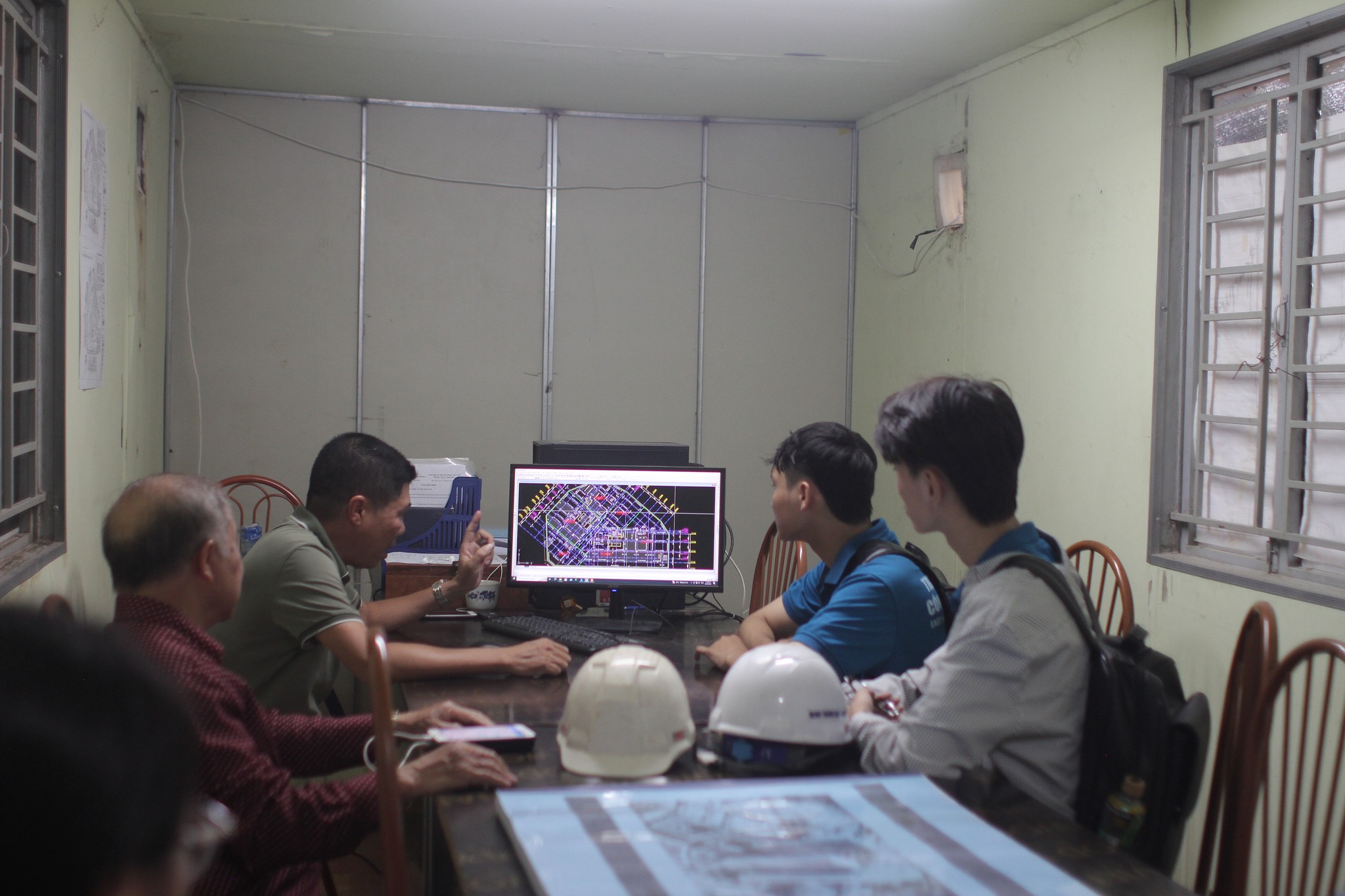
At EAUT, students not only focus on theory but also gain early exposure to real project models, allowing them to develop professional skills while still in university. Early interaction with the working environment helps students better understand processes, job requirements, and significantly reduce the gap between learning and working—something employers highly value today.
At the same time, the University builds a practice-oriented learning environment that encourages students to develop ideas and creative thinking. Learning spaces are designed to be open and flexible, suitable for project-based learning and studio work in Architecture, making the learning experience more proactive and practical.
Another advantage is the teaching staff at EAUT, who not only deliver academic knowledge but also share practical insights from their professional experience. Their perspectives on projects, market trends, and employer expectations help students better understand the field and define suitable career paths early on.
In addition, EAUT actively strengthens connections with enterprises through internships, workshops, and specialized talk shows. As a result, students have opportunities to meet employers, build networks, and gain practical experience during their studies. In 2026, when employers prioritize candidates with both skills and experience, this becomes a key advantage that helps students confidently enter the job market.
It can be seen that Architecture is not just a career choice but a journey for young people who are passionate about creativity, enjoy challenges, and want to create real value for life. As the demand for high-quality living spaces continues to grow, this field remains full of potential, offering wide job opportunities and long-term career development.
More importantly, you need a learning environment that is practical, immersive, and well-oriented. With its practice-based curriculum, strong industry connections, and dynamic learning environment, East Asia University of Technology (EAUT) is an ideal starting point to help you turn your passion into a career.
East Asia University of Technology
Phan Tay Nhac Street, Xuan Phuong Ward, Hanoi.
Hotline: 0243.555.2008 or 024.2236.5888
Email: [tuyensinh@eaut.edu.vn](mailto:tuyensinh@eaut.edu.vn)
Fanpage: [https://www.facebook.com/dhcnDongA/](https://www.facebook.com/dhcnDongA/)