

From classroom learning to hands-on experiences at the capital’s famous landmarks, K17 students majoring in Tourism and Travel Service Management at the Faculty of Tourism, East Asia University of Technology (EAUT), had the opportunity to plan and conduct their first Hanoi City Tour as part of their academic journey. The trip not only broadened their knowledge of history and culture but also helped them gain their first insights into the practical work of tourism professionals.
Hanoi City Tour – A Memorable Milestone for K17 Students of EAUT’s Faculty of Tourism
For students majoring in Tourism and Travel Service Management, learning goes beyond acquiring professional knowledge in the classroom. It also requires practical experiences at various destinations. These experiences allow students to gain a deeper understanding of their chosen profession while gradually developing the mindset and skills needed for their future careers.
As part of the Introduction to Tourism and Travel Service Management course, K17 students from the Faculty of Tourism at East Asia University of Technology participated in the Hanoi City Tour under the guidance of Ms. Nguyen Bach Ngoc Xuyen and Mr. Ngo Viet Anh.
What made this journey special was that students took on more than the role of visitors. They directly researched destinations, developed itineraries, prepared tour commentary, and practiced organizing a tourism program. Their introductory professional knowledge was put into practice, giving them a clearer understanding of the work involved in becoming tourism professionals.
The Hanoi City Tour thus became a meaningful milestone, marking the beginning of K17 students’ journey to explore their chosen field and nurture their passion for the profession.
Discovering Hanoi’s History and Culture Through Each Destination
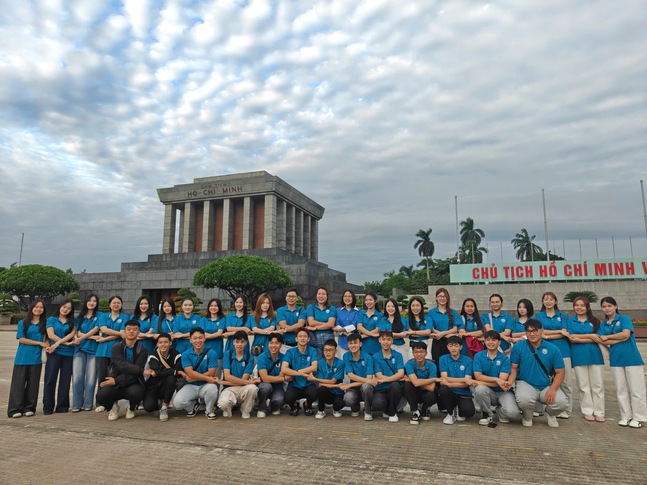
Exploring historical values at the Ho Chi Minh Mausoleum and Ba Dinh Square
The group’s first stops were the Ho Chi Minh Mausoleum and Ba Dinh Square, landmarks of special significance in Vietnam’s national history.
Here, students had the opportunity to witness the solemn flag-raising ceremony at Ba Dinh Square and learn more about the historical milestones associated with President Ho Chi Minh’s revolutionary career and the nation’s struggle for independence.
This hands-on experience brought historical knowledge to life, making it more accessible and engaging while fostering national pride and a deeper appreciation of the peace and independence enjoyed today.
For tourism students, the visit also provided an opportunity to learn how to interpret a destination’s historical significance, select appropriate information for tour commentary, and communicate its cultural value to visitors.
Exploring the Unique Architecture of One Pillar Pagoda
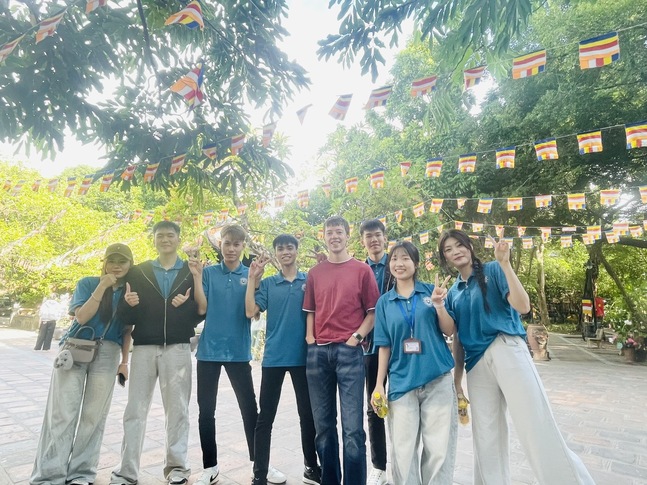
Continuing their journey, the group visited One Pillar Pagoda, a distinctive architectural landmark closely associated with the history of Thang Long–Hanoi.
With its unique design resembling a lotus blossom rising from a pond, One Pillar Pagoda offered students a firsthand perspective on the creativity of traditional architecture and the cultural values preserved across generations.
By learning about the pagoda’s origins, architectural features, and symbolic significance, students gained practical reference materials for introducing destinations to visitors. The visit also helped them understand that an engaging tour does more than take visitors to famous places; it also allows them to discover the stories and values behind each landmark.
Exploring the Evolution of Vietnamese Fine Arts at the Vietnam National Fine Arts Museum
At the Vietnam National Fine Arts Museum, students continued to explore artistic values reflected in artworks, artifacts, and cultural heritage from different historical periods.
Each artwork not only carries aesthetic value but also tells stories about the country, its people, and social life. Through observation and exploration, students had the opportunity to broaden their knowledge of art and culture while developing their ability to select information and present it appropriately for different groups of visitors.
This experience helped students better understand the role of cultural knowledge in tourism, particularly in tours of heritage sites, museums, and destinations rich in artistic value.
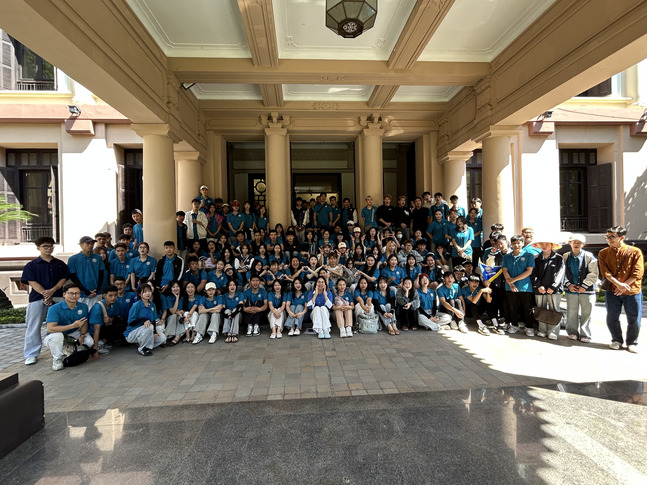
Experiencing the Cultural and Educational Heritage of the Temple of Literature – Imperial Academy
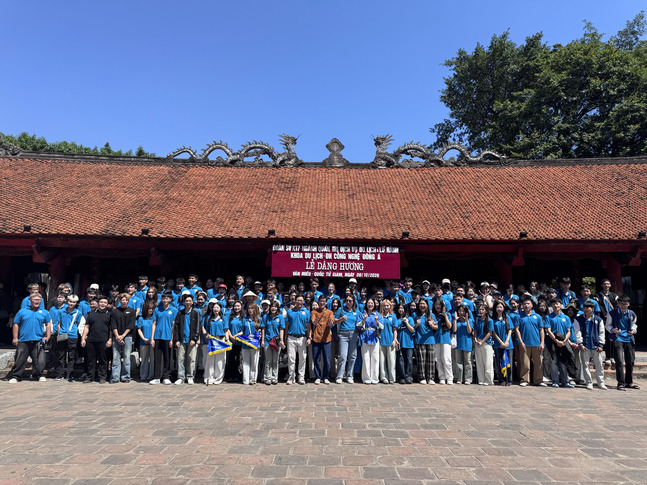
The final stop on the Hanoi City Tour was the Temple of Literature – Imperial Academy, a historical complex closely associated with Vietnam’s tradition of valuing education and its educational history.
In the solemn atmosphere, the group held an incense-offering ceremony with deep respect while learning about the historical and cultural values preserved in structures such as Khue Van Pavilion, Thien Quang Well, and the Doctoral Steles.
Knowledge previously encountered in books became a firsthand experience, helping students gain a deeper understanding of respect for teachers, the tradition of honoring talent, and the nation’s enduring appreciation of knowledge.
For students majoring in Tourism and Travel Service Management, exploring historical and cultural sites is also an important step in preparing in-depth tour commentary and delivering meaningful experiences to visitors.
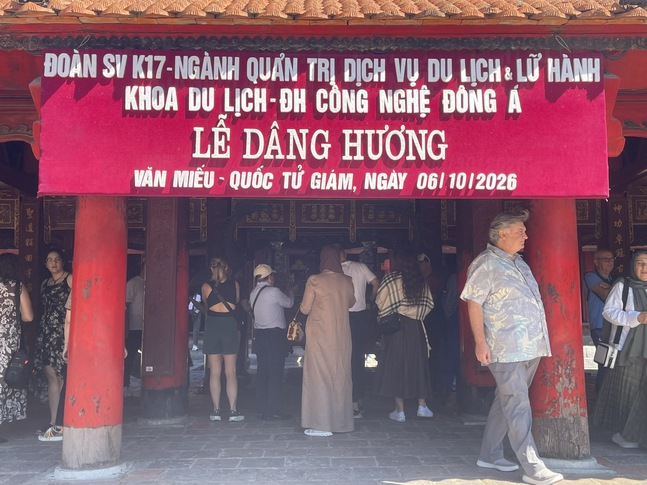
Learning Through Practice – Developing Professional Skills Through Real-World Experiences
The greatest value of the Hanoi City Tour lay not only in the landmarks visited but also in the process of students directly participating in the planning and implementation of the program.
From researching destination information and designing itineraries to organizing the group, preparing tour commentary, and observing real-world operations, every stage provided students with an initial understanding of how a tourism program is organized.
Throughout the journey, students had opportunities to develop communication, teamwork, observation, information synthesis, and problem-solving skills. They also learned to evaluate destinations from a professional perspective: what makes a destination appealing, which stories should be shared, and how each stop can become a memorable experience.
With guidance from their lecturers, initial uncertainties became valuable learning opportunities, helping students better understand the demands of the profession and proactively gain experience from their very first courses.
This activity also demonstrates the value of practice-oriented learning at EAUT’s Faculty of Tourism, enabling students to connect professional knowledge with real-world experiences and gradually prepare for their future careers.
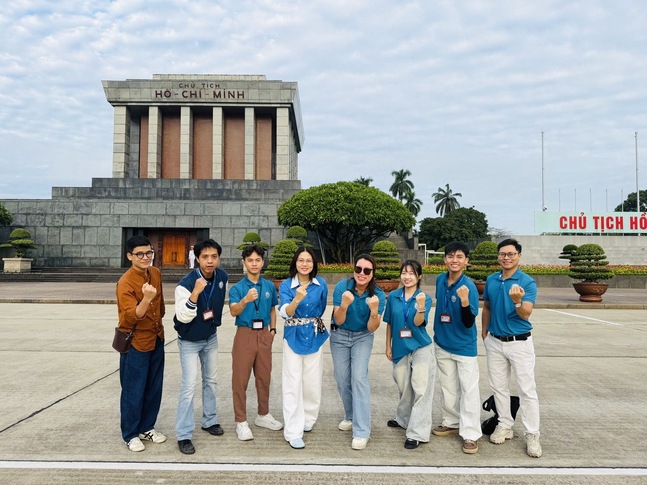
The Hanoi City Tour concluded with many memorable experiences, marking the beginning of the academic and professional exploration journey for K17 students majoring in Tourism and Travel Service Management at East Asia University of Technology.
From lessons in history and culture at Hanoi’s famous landmarks to opportunities to practice their first professional skills, the trip helped students better understand the value of learning through practice and the role of real-world experiences in their education.
Although they still faced some uncertainties as first-time organizers, every experience offered an opportunity to grow, accumulate knowledge, and nurture their passion for tourism.
With its commitment to connecting professional knowledge with practical experience, the Faculty of Tourism at East Asia University of Technology continues to support students as they explore their field of study, develop their skills, and prepare for their future careers.
The Hanoi City Tour was more than a first trip; it marked the beginning of a journey of growth, in which each K17 student gradually learns how to create meaningful journeys for others.
East Asia University of Technology
Phan Tay Nhac Street, Xuan Phuong Ward, Hanoi.
Hotline: 0243.555.2008 or 024.2236.5888
Email: tuyensinh@eaut.edu.vn
Fanpage: https://www.facebook.com/dhcnDongA/