

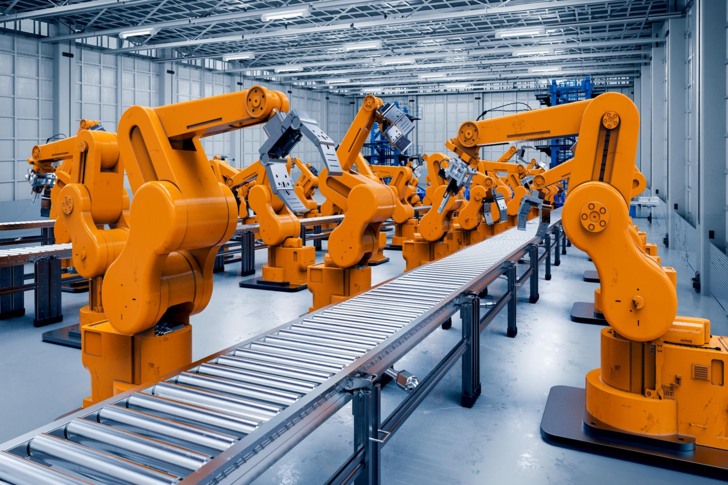
No longer limited to traditional machine shops and conventional machinery, Manufacturing Engineering Technology has emerged as one of the pioneering disciplines driving smart manufacturing. The integration of Artificial Intelligence (AI), the Internet of Things (IoT), and industrial robotics is transforming the way manufacturers design, operate, and optimize production lines, while creating exciting new opportunities for the next generation of engineers.
How Is Manufacturing Engineering Technology Evolving in the AI Era?
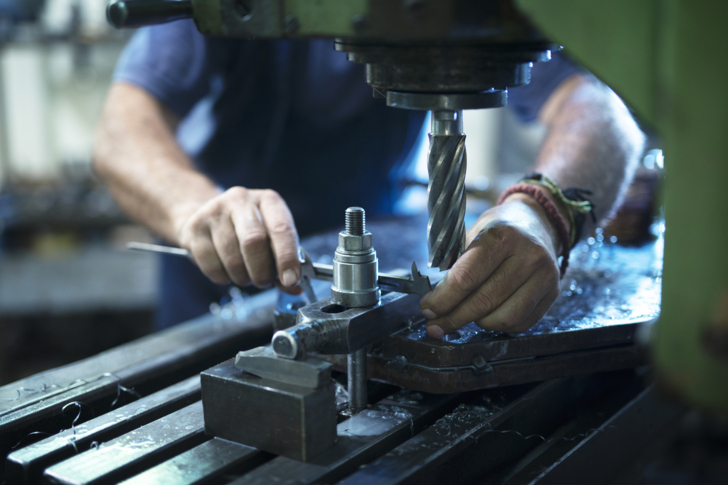
Ten to fifteen years ago, Manufacturing Engineering Technology was commonly associated with machine shops, lathes, milling machines, and manual machining operations. Today, however, the industry has undergone a remarkable transformation.
Advances in Artificial Intelligence (AI), the Internet of Things (IoT), Big Data, and industrial robotics are revolutionizing manufacturing worldwide. Modern machines no longer simply follow pre-programmed instructions—they can collect operational data, analyze system performance, automatically adjust operating parameters, and even predict equipment failures before they occur.
As a result, the role of Manufacturing Engineering engineers has evolved significantly. Rather than focusing solely on machining or operating equipment, today’s engineers integrate mechanical engineering, automation, and digital technologies to build intelligent manufacturing systems.
AI Makes Manufacturing Plants More Efficient
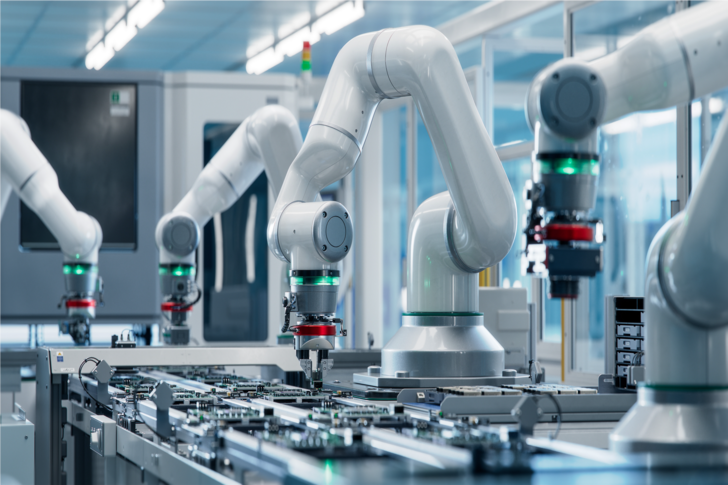
In today’s manufacturing enterprises, AI is widely used to monitor data collected from hundreds of machines operating simultaneously. Intelligent systems can detect abnormalities such as excessive vibration, abnormal temperatures, or unusual noise levels and provide early warnings before problems escalate.
This enables companies to perform predictive maintenance rather than waiting for equipment failures to occur. As a result, manufacturers can reduce downtime, lower maintenance costs, and maintain stable production efficiency.
Faster Product Design Through Digital Technologies
In the past, designing a mechanical component often required days of revisions and prototype testing. Today, AI-powered CAD/CAM software helps engineers optimize product designs from the earliest development stages.
Engineers can simulate structural strength, detect component interference, and evaluate design performance virtually before manufacturing begins. This significantly shortens product development cycles while reducing prototyping costs.
Robots Are Becoming Smarter, but Engineers Remain Essential
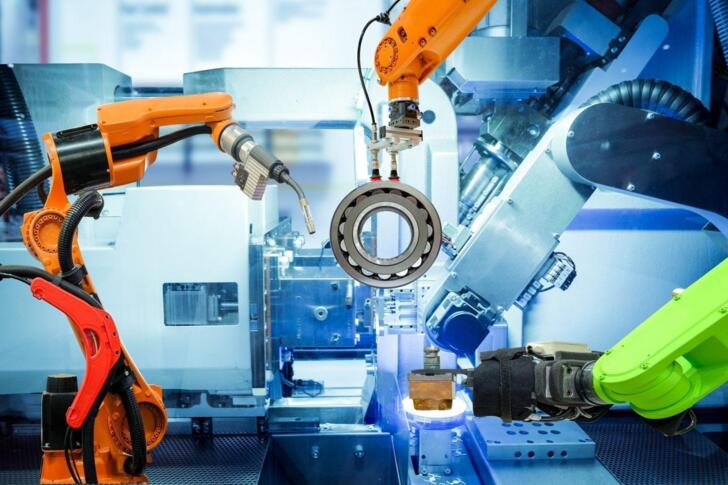
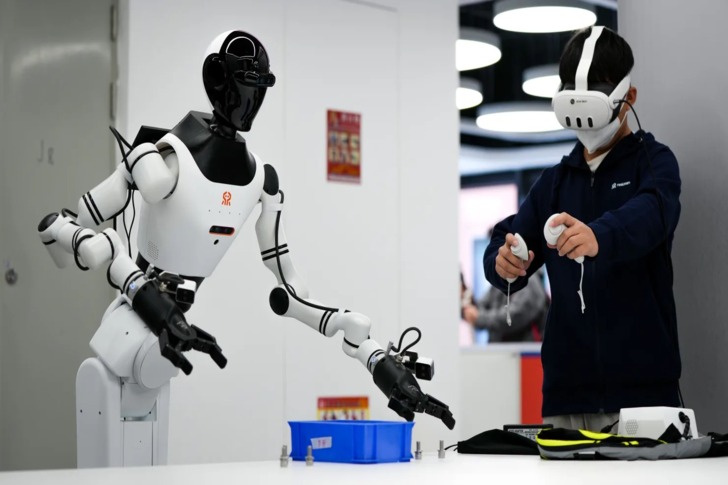
Many people worry that AI will replace mechanical engineers. In reality, AI primarily automates repetitive tasks, while system design, programming, process optimization, and production line improvement still rely on highly skilled engineers.
In fact, as industrial robots and AI become more widely adopted, demand continues to grow for professionals capable of mastering these technologies. Manufacturers no longer need employees who simply operate machines—they need engineers with expertise in mechanical engineering, automation, and digital technologies to maximize the performance of intelligent production systems.
What Skills Will Future Manufacturing Engineers Need?
In the AI era, mechanical engineering fundamentals remain essential, but they are no longer sufficient on their own. Modern engineers must be proficient in engineering design software, understand smart manufacturing processes, analyze machine-generated data, and collaborate effectively with automated systems.
Beyond technical expertise, creativity, problem-solving abilities, and a commitment to continuous learning have become increasingly valuable. While AI can assist with calculations and data analysis, developing practical engineering solutions for real manufacturing environments remains the responsibility of human engineers.
Opportunities for Students in the Era of Smart Manufacturing
Digital transformation is taking place across virtually every manufacturing sector, from mechanical engineering, automotive manufacturing, and electronics to aerospace and supporting industries. This trend has created a growing demand for engineers who can adapt to emerging technologies.
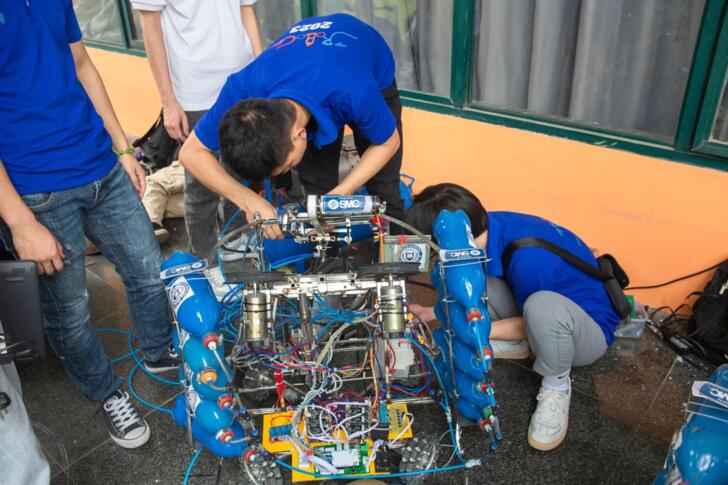
For students majoring in Manufacturing Engineering Technology, this is not only an opportunity to learn cutting-edge technologies while at university but also a significant advantage when entering a labor market that increasingly values highly skilled engineering professionals.
It is clear that AI is not replacing Manufacturing Engineering Technology. On the contrary, AI is driving the discipline into a new era, where engineers are no longer just machine builders but leaders in intelligent manufacturing systems, creating sustainable value for businesses and the modern industrial economy.
Learn more: [2026] Is Manufacturing Engineering Technology Difficult to Study? What New Students Need to Know
The advancement of AI and smart manufacturing is opening a new chapter for Manufacturing Engineering Technology, where engineers are not only responsible for building machines but also for mastering advanced technologies and transforming manufacturing processes. With increasing demand for highly skilled professionals and outstanding career prospects, this field continues to be an excellent choice for students who are passionate about engineering, innovation, and contributing to the future of modern industry.
Dong A University of Technology
Phan Tay Nhac Street, Xuan Phuong Ward, Hanoi, Vietnam.
Hotline: 0243.555.2008 or 024.2236.5888
Email: tuyensinh@eaut.edu.vn
Fanpage: https://www.facebook.com/dhcnDongA/